September 2, 2026
Planning an outdoor wedding involves many considerations, with tent selection being one of the most crucial elements of overall event design. The right structural shelter provides weather protection while setting the visual ambiance for a memorable celebration. Couples choosing outdoor venues must weigh guest capacity, layout flexibility, weather conditions, and aesthetic preferences to identify the optimal choice among available wedding tent rentals. From evaluating structural variations to managing spatial requirements, a systematic approach ensures every detail aligns with the vision for the big day.
Understanding Structural Variations and Design Mechanics
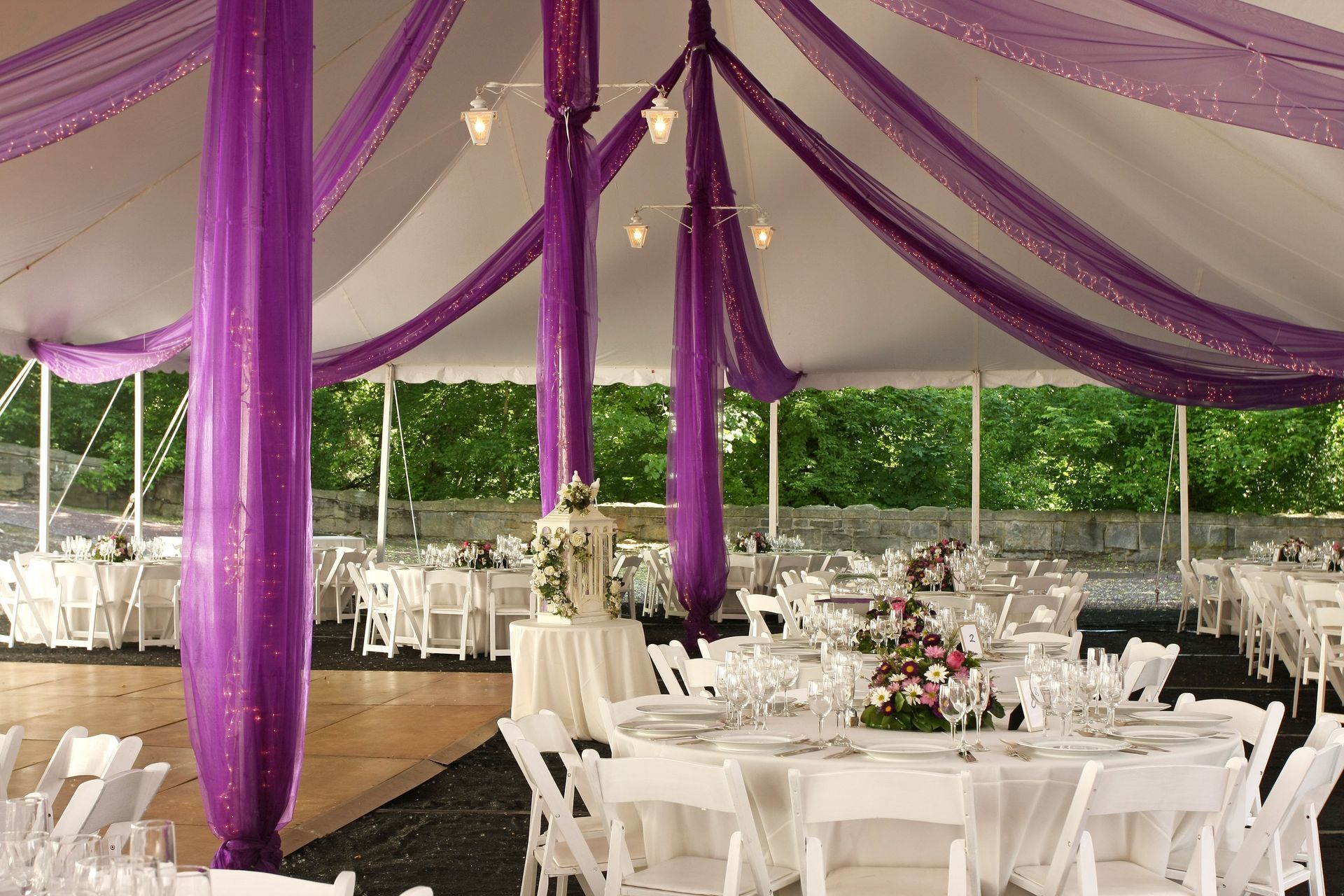
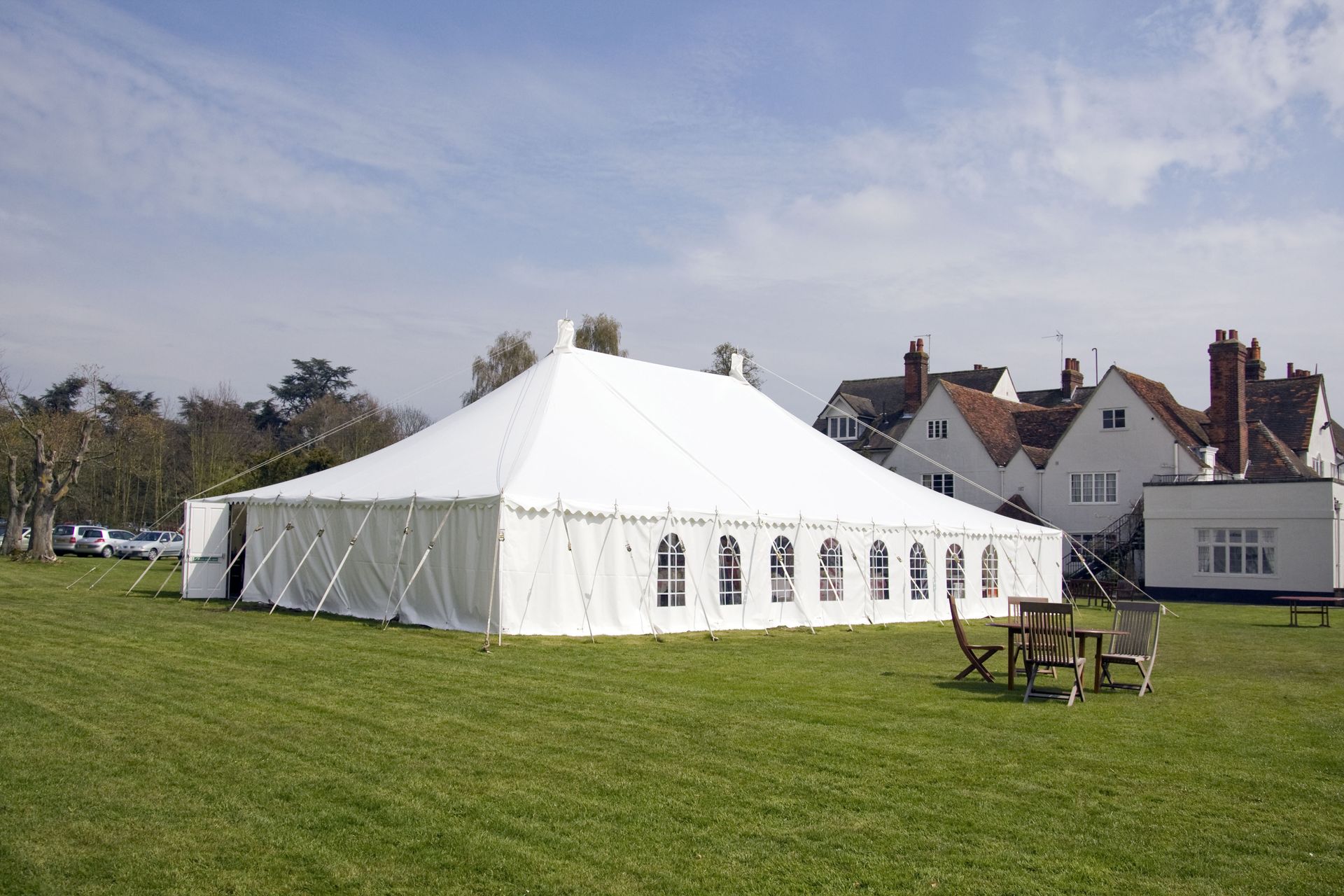
Selecting proper tent architecture begins with understanding how different structural types perform across various environments. Traditional pole tents offer classic visual appeal characterized by high swooping peaks and graceful rooflines, supported by internal center poles and perimeter tensioning systems. These structures rely on ground staking driven deep into grass or soil, making them well-suited for lawns and open fields. Support columns can be decorated with fabric draping or wrapped lighting to enhance the romantic visual aesthetic inside the venue.
For locations where ground staking is restricted due to underlying concrete, frame structures provide a versatile solution. Built upon rigid aluminum or steel frameworks that support the canopy from above, these tents do not require center support poles, offering an unobstructed interior floor plan that maximizes usable square footage for guest seating, dining tables, stages, and bar placements. This structural independence allows frame tents to be installed safely on hard surfaces using heavy concrete ballast anchors.
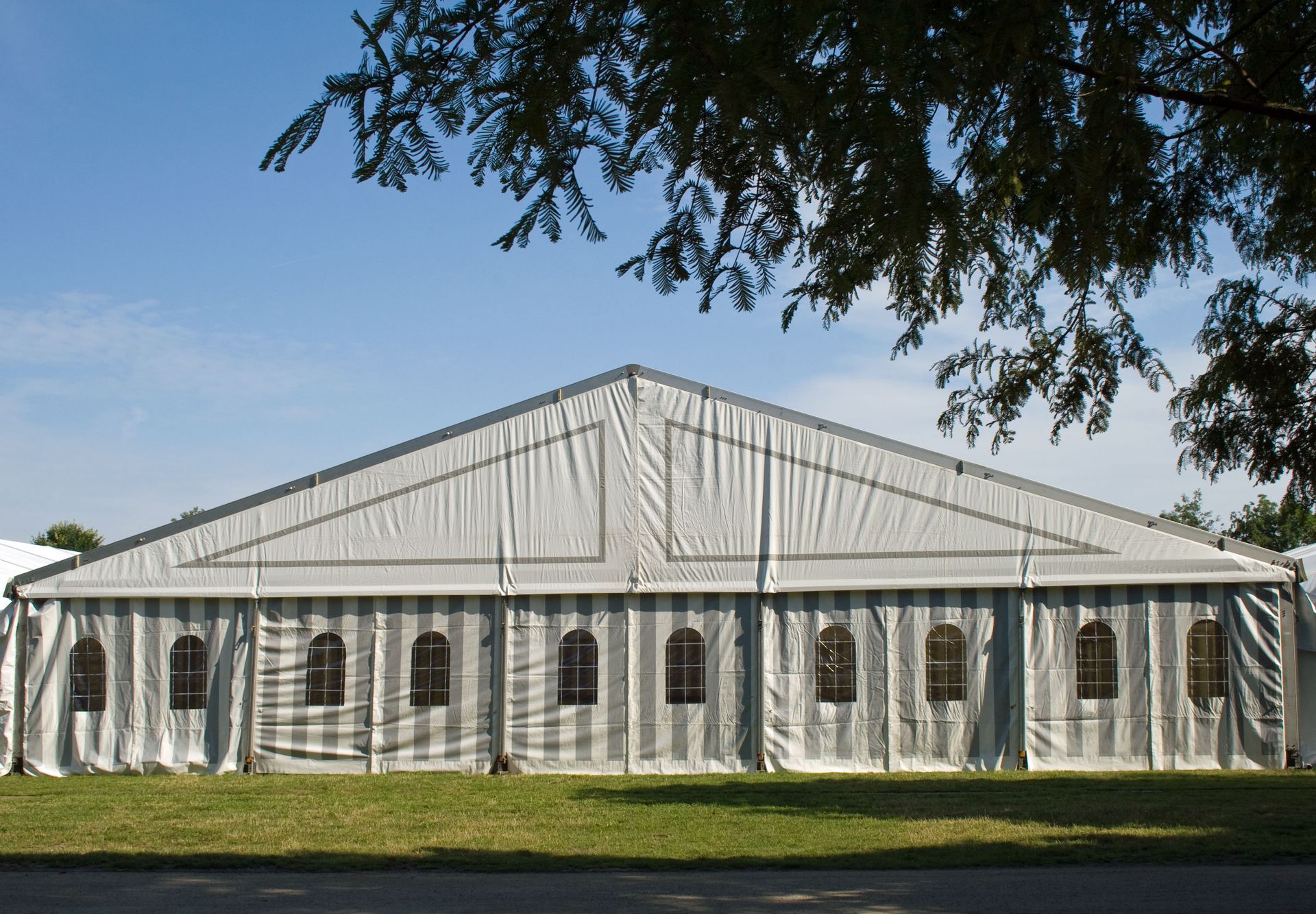
When hosting large-scale receptions requiring maximum open space, tall ceilings, and structural integrity, specialized engineered structures offer unmatched utility. According to Shelter, clear span tents span a maximum of 70 meters and are made with 6061-T6 aluminum alloy frames and PVC-coated fabric. These systems provide complete weather resistance, elevated interior clearance, and column-free interiors capable of accommodating elaborate lighting rigs, grand dance floors, staging, and extensive seating without structural interference. Selecting high-grade wedding tent rentals ensures access to these engineered systems, guaranteeing safety, dependability, and spatial freedom.
Determining Spatial Requirements and Layout Configurations
Calculating the required footprint for an outdoor shelter involves more than counting prospective attendees and placing dinner tables inside a grid. A comfortable layout must accommodate distinct functional zones, including formal dining seating, service prep stations, bar stations, stages, lounge areas, and central dance floors. As an industry standard, seated dinner configurations using round tables require approximately 12 to 15 square feet per person, while adding a dance floor, stage, and lounge seating increases the requirement to 18 to 22 square feet per attendee.
Beyond guest capacity, spatial planning must incorporate operational areas required by caterers, service staff, production crews, and entertainment vendors to operate efficiently behind the scenes. Dedicated catering preparation spaces, service pathways, audiovisual control stations, generator placement, and guest restroom access must be integrated into the site floor plan. Ensuring adequate clearance between dining tables allows service staff to move efficiently without disturbing seated guests, while positioning high-traffic areas away from entrances prevents bottlenecks.
Adapting layout configurations to site-specific conditions requires consideration of the natural landscape surrounding the venue property. Irregular terrain, sloping lawns, nearby trees, or existing permanent buildings influence how spatial zones are organized within the primary structure or connected auxiliary tents. Utilizing modular staging, raised subflooring systems, or connecting walkway canopies helps bridge topographical challenges, transforming uneven outdoor grounds into cohesive, fully functional event spaces that guarantee guest comfort and accessibility.
Evaluating Material Quality and Weather Readiness
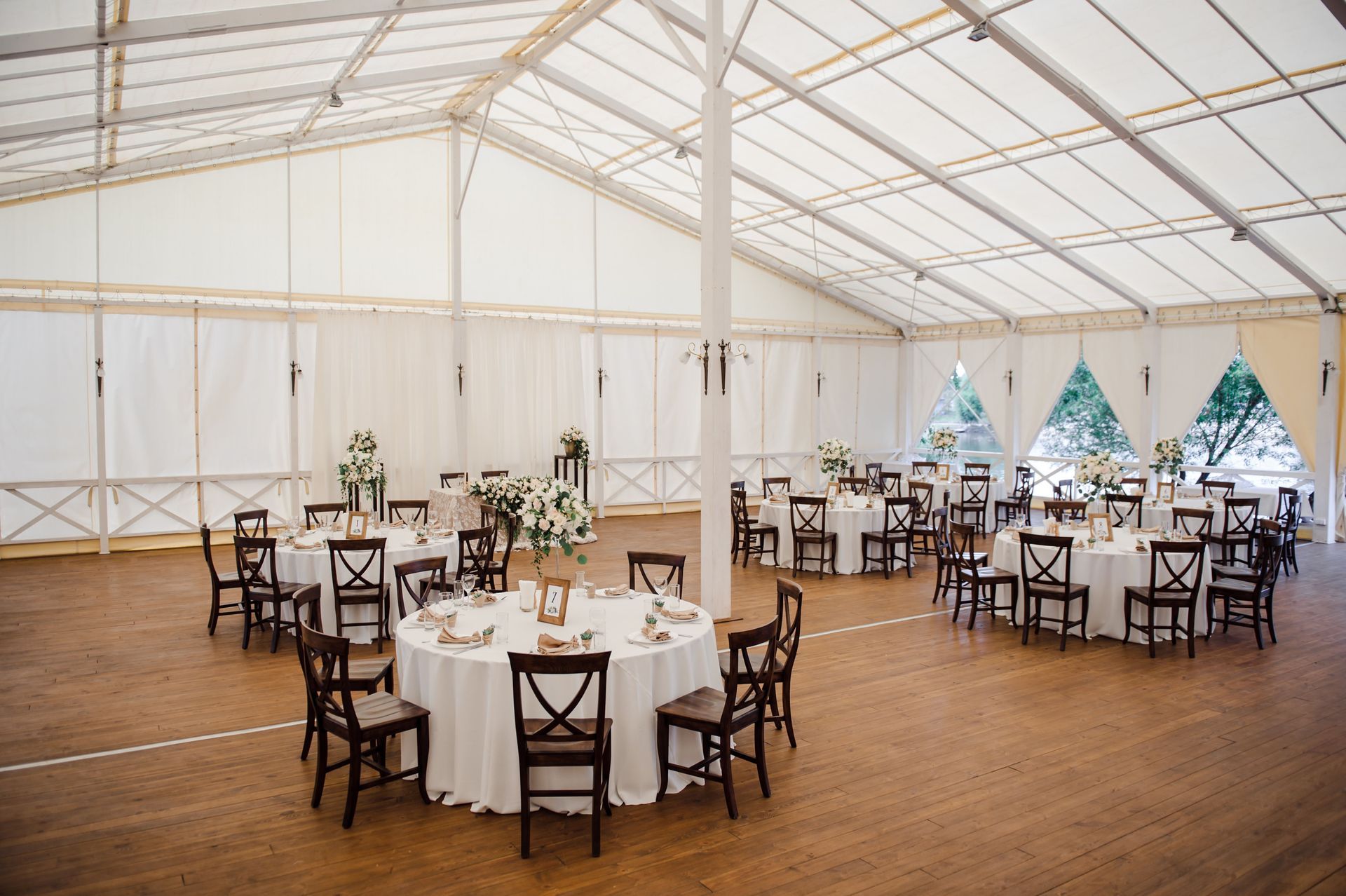
The choice of canopy fabric and structural framing plays a pivotal role in maintaining guest comfort and safety across changing environmental conditions throughout the day. High-grade PVC-coated vinyl materials provide waterproofing, flame retardant, blackout capabilities, and UV protection, making them ideal for multi-day events or variable weather forecasts. Sailcloth fabrics offer semi-translucent qualities that allow natural daylight to diffuse gently into the space during daytime receptions, while flexible stretch membranes provide modern sculptural forms suited for unique landscape contours.
Planning for seasonal weather contingencies is an essential aspect of outdoor event management that should never be delayed. In warmer climates, installing commercial climate control systems, high-capacity ventilation fans, and UV-blocking canopy materials ensures that interior temperatures remain cool and comfortable for guests. Conversely, autumn and winter celebrations necessitate reliable heating solutions, such as indirect fuel heaters placed safely outside the structure with ducted warm air pushed into the interior, alongside secure clear window sidewalls that block wind and precipitation.
Securing premium wedding tent rentals guarantees access to professional-grade hardware, heavy-duty anchoring systems, and certified flame-resistant fabrics that comply with local municipal safety standards. Rental professionals inspect structural components regularly to verify mechanical integrity, fabric cleanliness, seams, and proper tensioning protocols before deployment. Investing in well-maintained, commercial-grade materials ensures that sudden wind gusts, unexpected rain showers, drops in temperature, or direct sun exposure will not compromise the aesthetic beauty or operational safety of the celebration.
Managing Installation Logistics and Site Preparation
Achieving a safe setup requires thorough site preparation and detailed logistical coordination well before installation day arrives. Professional installation teams conduct site visits to evaluate soil density, ground slope, overhead branch clearance, underground utility lines, sprinkler systems, and access routes for delivery trucks and equipment. Obtaining necessary municipal permits, fire department approvals, noise variances, and underground utility mark-outs is a crucial preliminary step that prevents costly installation delays, legal complications, or safety hazards during assembly.
Establishing realistic delivery and installation schedules ensures that secondary vendors, such as florists, lighting technicians, decorators, sound engineers, and catering suppliers, have sufficient time to execute their setups. Erecting the primary overhead structure and laying down subflooring early in the setup window establishes a clean, dry, climate-controlled, and secure environment for technical installations and floral work. Scheduling tent breakdown shortly after the event concludes minimizes impact on venue grounds and prevents long-term turf damage.
Safety protocols during installation require strict adherence to structural engineering standards and manufacturer ballast requirements across all setup phases. Whether securing structures with deep steel ground stakes or high-capacity ballast blocks, professional installation crews monitor wind speed thresholds, tension guy lines precisely, and inspect frame joints thoroughly. This technical expertise provides essential stability, allowing hosts and guests to celebrate with confidence. Partnering with top-tier wedding tent rentals ensures certified setup technicians manage every aspect of physical installation safely.
Styling Interior Spaces and Enhancing Aesthetic Atmosphere
Transforming a structural canopy into an extraordinary event space involves thoughtful interior styling, color coordination, custom flooring, and strategic illumination choices. Full interior draping with sheer chiffon, poly-silk, or velvet fabrics conceals structural framework while adding warmth, texture, and refined elegance to high ceilings and interior sidewalls. Color palettes chosen for table linens, floral centerpieces, charger plates, and decorative seating should harmonize naturally with the outdoor landscape visible through clear window sidewalls, creating a cohesive visual narrative.
Lighting design plays a transformative role in defining atmosphere and highlighting architectural features throughout the day and evening transition. Hanging crystal chandeliers, warm Edison bulb string lights, custom projections, and perimeter pin-spotting elevate the visual experience from romantic twilight dining to high-energy late-night dancing. Additionally, incorporating strategic exterior lighting along stone walkways, entryway steps, and surrounding landscape foliage extends the visual perimeter, creating an enchanting, immersive outdoor environment that captivates guests throughout the night.
Selecting the ideal outdoor shelter is a foundational element in crafting an extraordinary and seamless wedding celebration. By evaluating structural variations, planning generous spatial layouts, selecting weather-resistant materials, coordinating technical setup logistics, and designing captivating interior aesthetics, couples can create a breathtaking environment tailored precisely to their vision. Partnering with experienced rental professionals ensures every technical requirement and creative detail is executed flawlessly, allowing hosts and guests to immerse themselves fully in the joy of the occasion. For more information about the services that we offer, reach out to our incredible team at Harland Rental & Supply Co today!